Screen Addiction and Attention Span
Many students joke that they have no attention span anymore. The joke is funny because it feels true. We sit down to study and suddenly check one message, then one video, then one notification, and somehow twenty minutes disappear. Screens have become so normal that distraction feels like part of daily life.
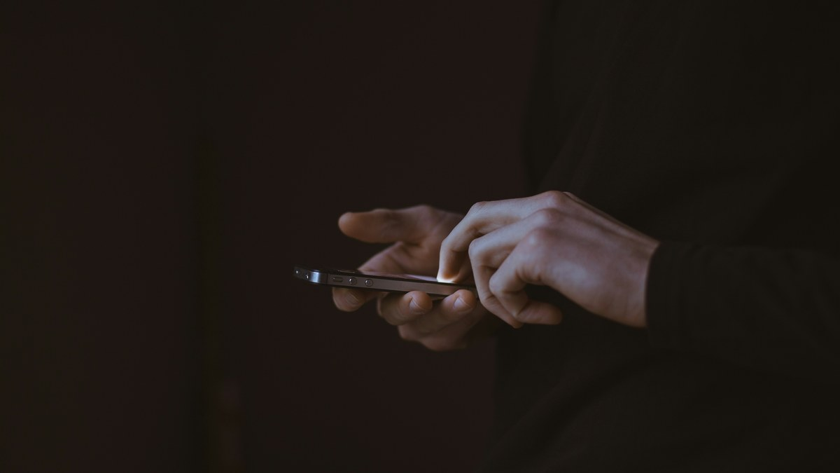
The issue is not that students are lazy. Many apps are designed to keep attention for as long as possible. Infinite scrolling, autoplay, notifications, likes, and algorithmic recommendations all push us toward one more post. The phone does not simply wait for us; it calls us back.
This affects how we read, study, and think. Long articles feel harder. Quiet moments feel uncomfortable. Even entertainment becomes fragmented, with people watching a show while also checking another screen. Our brains get used to constant switching, and deep focus starts to feel unnatural.
Attention is not only an academic skill. It affects relationships too. A conversation changes when someone keeps glancing at a phone. A meal feels different when everyone is half-present. Being constantly reachable can make us less available to the people physically near us.
Still, screens are not the enemy. They help us learn, communicate, create, navigate, and relax. The problem is not using technology, but losing control over how we use it. A student can use a laptop to write an essay or waste an hour avoiding one. The same device can support attention or destroy it.
Small habits can help. Turn off nonessential notifications. Put the phone across the room while studying. Use timers for focused work. Read longer texts without switching tabs. Create phone-free meals or friend time. These changes sound simple, but they rebuild the muscle of attention.
The bigger challenge is cultural. We live in an economy where attention is valuable, and companies compete to capture it. Protecting focus is not just personal discipline; it is a form of self-defense.
Students do not need to reject screens completely. We need to remember that attention is part of our life, not just our productivity. What we pay attention to becomes what we experience. If we give every spare moment to a screen, we may miss the slower thoughts and real conversations that make life feel full.